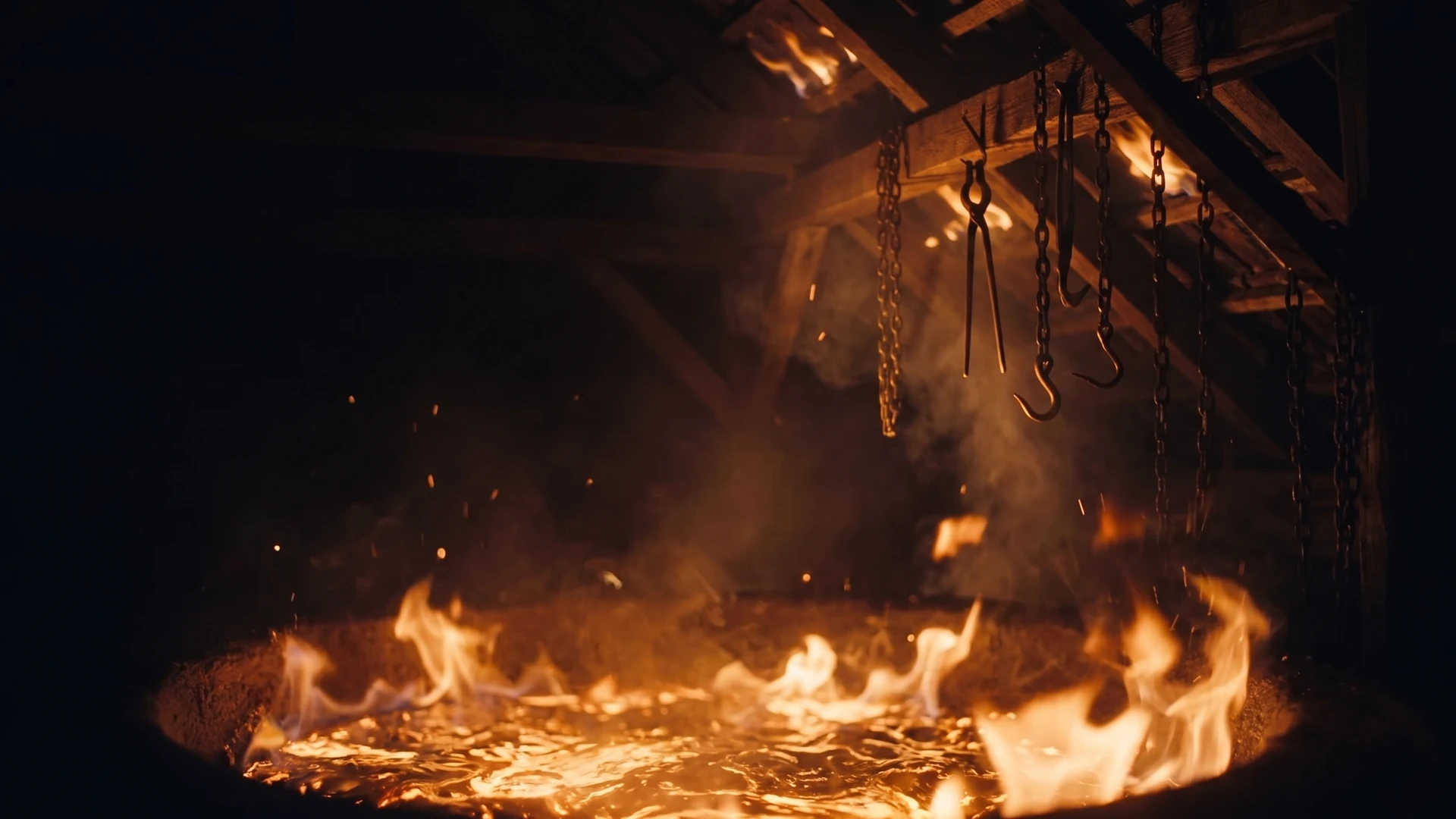
Strike an ideaworth building.
Hold the striker and the forge hammers a real app blueprint from live market data, graded from cold iron to white gold. Your first strike is free.
One free strike. Hold, then release.
Steel tells you its temperature by color. So do ideas.
Every strike is graded from cold iron to white gold on a 50 to 99 scale. The color is the honest part. Most ideas run cold, and the forge says so out loud instead of flattering you.
Heat is earned against live competition. A crowded space caps how hot a score can climb, so a white gold grade means real open water, not a participation badge.
| Grade | Heat | Score band | What it means |
|---|---|---|---|
| IronCommon | 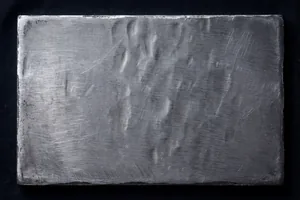 | 50–69 | Most strikes land here. Crowded ground, real competitors. Common ideas still ship, execution carries them. |
| Tempered BlueRare | 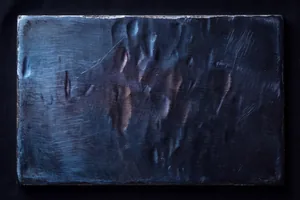 | 70–79 | A cleaner gap. Fewer builders on it and a clearer lane to your first users. |
| Oxide PurpleEpic | 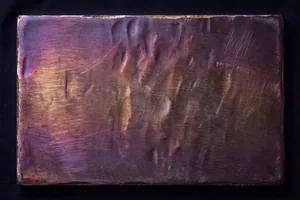 | 80–89 | Strong signal, thin competition. The market is asking and few are answering. |
| White GoldLegendary |  | 90–99 | Rare, near open water. Scores cap at 99, and the more crowded a space, the harder the heat climbs. |
Five stations, one bar of steel.
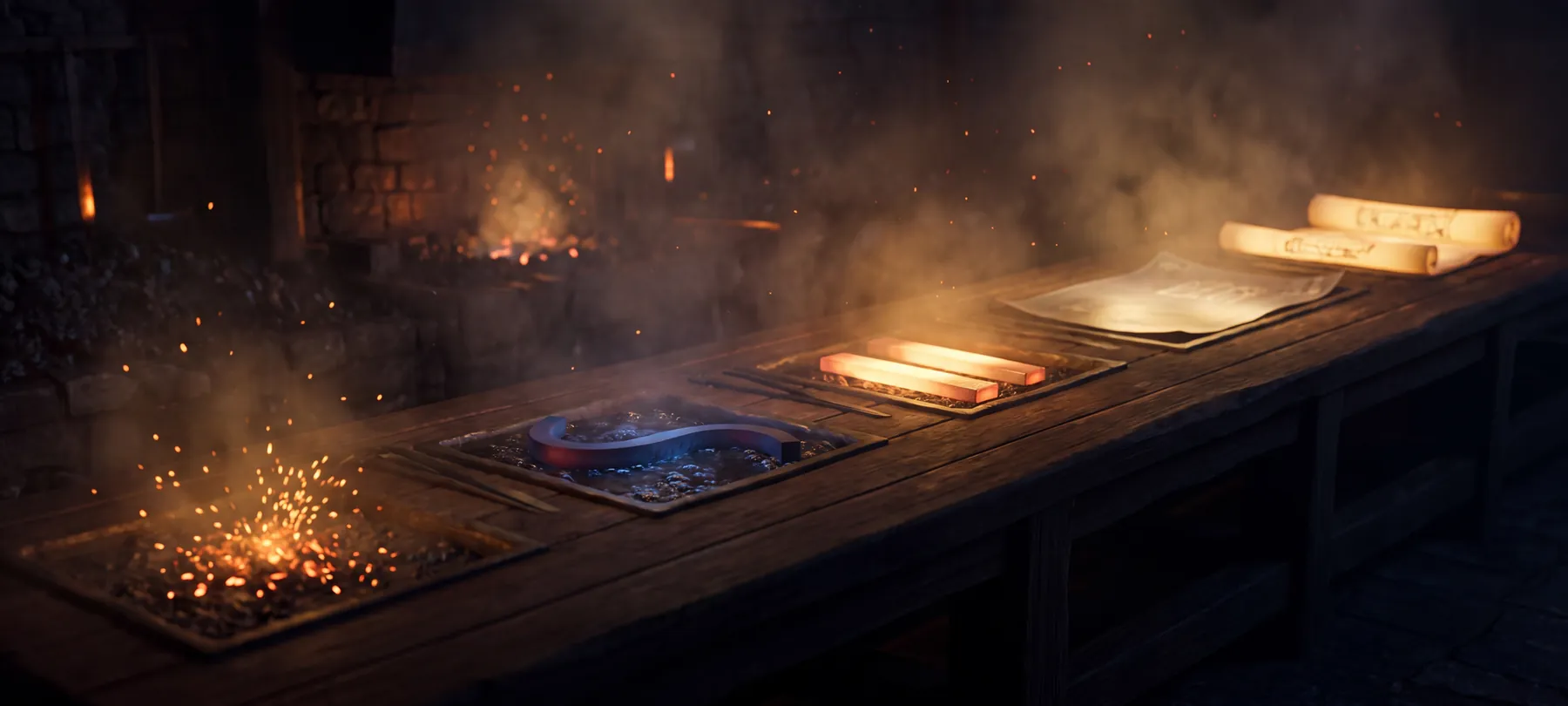
The forge is one workbench, worked in order. Strike an idea, temper it against the market, compare it, plan the build, then carry it out to your coding tool. Each move costs a set number of sparks.
Strike
Hold the striker and the forge hammers a fresh idea from a live category.
It comes back as a graded blueprint: name, problem, niche, features, and a score.
Temper
Hold an idea to the market before you commit a weekend to it.
Eight sources check demand, competition, and timing, then score it honest.
Compare
Put two ideas head to head when you cannot pick between them.
The forge scores both across the same dimensions and calls the stronger one.
Plan
Turn a blueprint into a week by week build plan with tasks and hours.
You leave knowing exactly what to make first and what can wait.
Carry
Every blueprint ships with a master prompt tuned for AI coding tools.
Paste it into Cursor, Claude, Bolt, or Replit and start building the same day.
The forge fits in your pocket too.
GenerateIdeas is the forge: the full bench where ideas are struck, tempered, compared, and planned. SparkQuest is the field kit, the same fire carried in your pocket. They share one everything.

- One account
Sign in once. The web forge and the field kit are the same login.
- One spark balance
Sparks you buy or earn spend the same in your pocket or at the bench.
- One grading scale
Cold iron to white gold, scored the same way on both.
Android: on the way

Pay for heat, not for hype.
Full price up front, every number in plain type. Start free, buy a pass for a busy week, or keep the forge lit all year. One account covers the web bench and the field kit.
How many strikes a week?
At 12 strikes a week, the pass costs $2.99 and covers it, about $0.25 a strike. Pro is for people who stop counting.
covers your first 3 strikes, once
$2.99 / wk · $0.25 a strike
$12.99 / mo flat · $0.25 a strike
$8.33 / mo · $0.16 a strike
3 sparks on the house. A strike costs 1 spark, so your first ideas are free.
15 sparks each week. A pass for a busy stretch, not a subscription you forget.
Unlimited sparks, priority in the queue, every station open. Where most builders land.
$8.33 a month, billed $99.99 once a year
The same unlimited forge, paid once. Two months lighter than paying monthly.
50 sparks, bought once, spent whenever. No renewal, no clock.
Ask before you strike.
The honest answers to what people want to know about the forge, the sparks, and the grading.
Your first strike is free. The forge is lit.
Make an account and the full blueprint, master prompt, and your spark balance are yours to keep.
Also a pocket field kit. Android: on the way.
Free to start. No card required. Cancel anytime.